

On this page
One of the first decisions in any mobile project is whether to build separate native apps for iOS and Android or a single cross-platform codebase with a framework like Flutter or React Native. There is no universally correct answer — the right call depends on your performance needs, budget, timeline and how the app will evolve. Here is how to weigh it.
What "native" and "cross-platform" actually mean
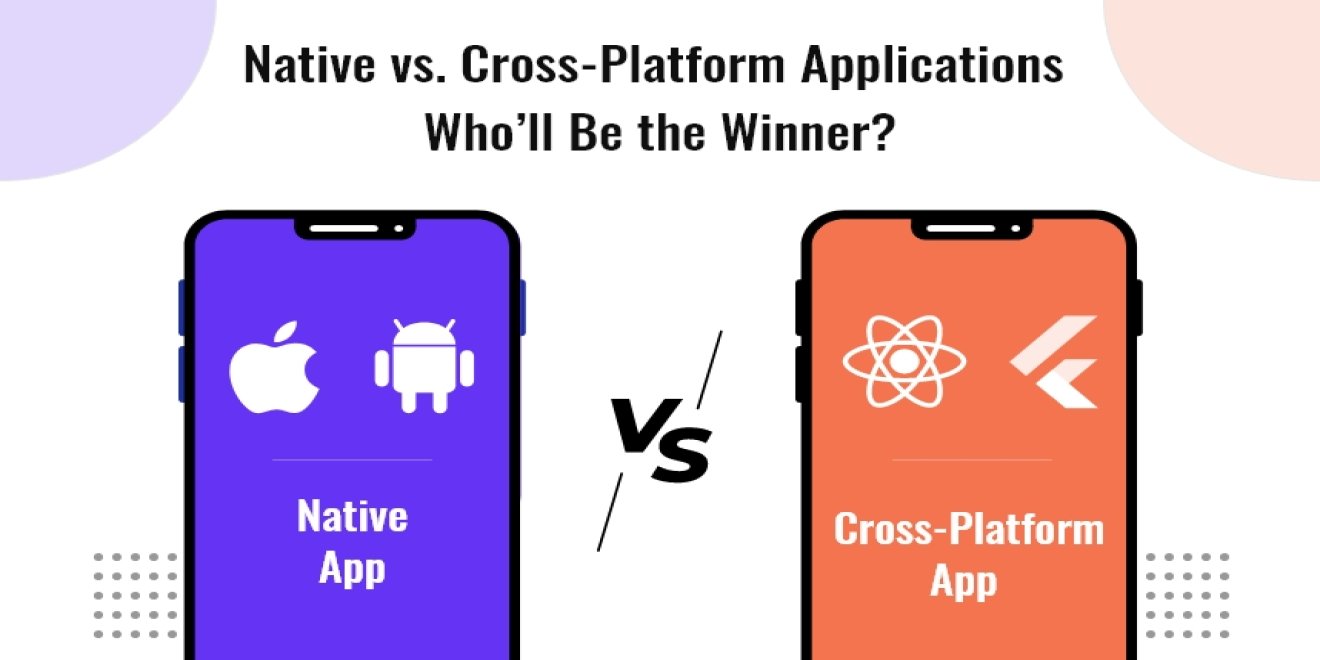
Native means building with each platform's own tools and languages — Swift for iOS, Kotlin for Android. You get full access to platform APIs and the best possible performance, at the cost of maintaining two codebases. Cross-platform means one codebase that compiles to both platforms, sharing most logic and UI while dropping to native code where needed.
The distinction is less absolute than it sounds. Cross-platform apps still ship as real, installable applications and can call native code for anything the framework does not cover. In practice the question is not "native or not" but "how much of this app genuinely needs platform-specific work".
Choose cross-platform when
- You need to launch on both platforms at once with a limited budget.
- The app is primarily forms, lists, dashboards and content — the majority of business apps.
- You want one team and one release process rather than two.
- Time to market matters more than squeezing out the last few milliseconds of performance.
Choose native when
- The app is graphics-intensive — games, AR, heavy animation or real-time video processing.
- You depend on the newest platform features the day they ship.
- You need deep integration with device hardware or background processing that frameworks expose slowly.
- The app is a long-term core product where two specialised teams are justified.
Flutter or React Native, if you go cross-platform
Both are mature and either will serve a typical business app well. The differences that matter in practice:
- Flutter draws its own interface, so a screen looks identical on both platforms and complex custom designs are easier to execute precisely. It uses Dart, which most teams learn quickly but few already know.
- React Native maps to the platform's own interface components and uses JavaScript or TypeScript, so a web team can often contribute directly and share logic with an existing web product.
The deciding factor is usually your existing team rather than the frameworks themselves. A business with a React web application will move faster with React Native; a team starting fresh with a heavily designed interface often prefers Flutter. Choosing the one your developers already know reliably beats choosing the one that benchmarks marginally better.
The maintenance question people forget
The build cost is only the first year. Native means every OS update, every new device size and every bug fix happens twice. Cross-platform consolidates that work, which is why total cost of ownership often favours it even when the initial quotes look similar. Factor in three years, not three months.
Mobile platforms also force maintenance on a schedule you do not control. Apple and Google both raise minimum SDK requirements periodically, and an app that is not updated will eventually stop being accepted or, in some cases, stop working. Any mobile budget needs an ongoing line, not just a build cost — and it is the line most often missing from a business case.
Cost and timeline in practice
Two native codebases do not cost exactly twice one cross-platform codebase, because design, backend, project management and testing are largely shared. The realistic premium is meaningful but smaller than people expect, and it compounds over the maintenance years rather than appearing all at once in the build.
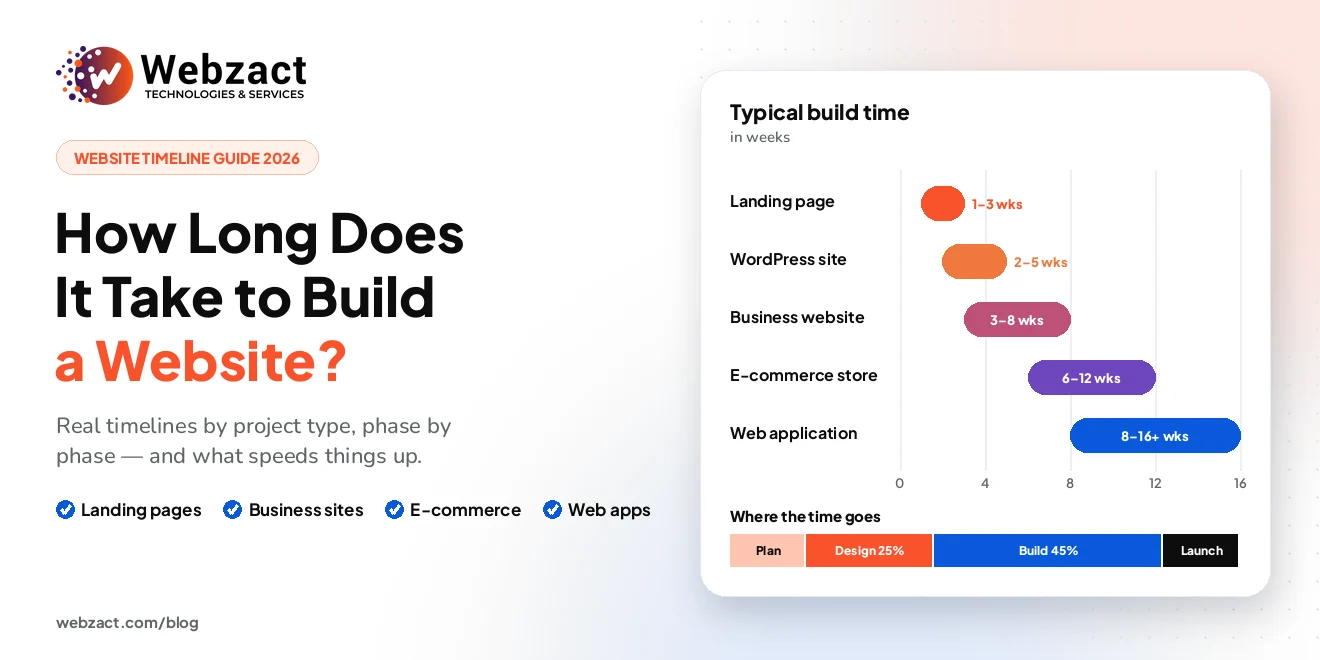
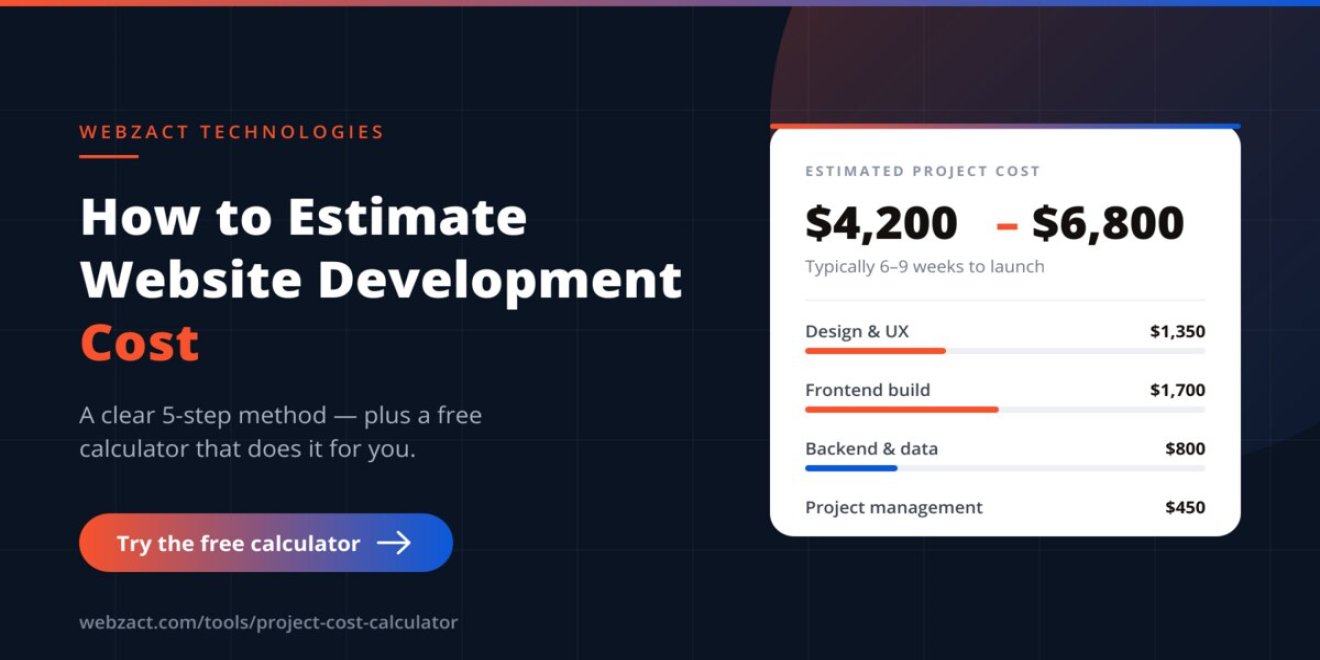
Timelines are driven more by scope than by the platform choice: how many screens, how much backend work, whether accounts, payments and notifications are involved. Our guide to build timelines and the project cost calculator give a realistic estimate for a defined scope, and how to estimate development cost explains what drives the numbers.
What does not change either way
Several decisions matter more than the framework and are identical in both cases: the backend API design, how you handle authentication and data privacy, offline behaviour, push notifications, and app store review requirements. Teams frequently spend weeks debating native versus cross-platform and then under-plan the backend, which is where most mobile projects actually run into trouble.
A common middle path
Many products ship cross-platform first to validate the market, then rebuild specific high-performance screens — or the whole app — natively once revenue justifies it. Starting cross-platform keeps that option open without over-investing early.
The same logic applies in reverse for internal tools. An app used by your own staff rarely needs native performance, and the money saved is better spent on the integrations that make it useful.
How Webzact Technologies can help
Our mobile app development team works in both native and cross-platform stacks, so our recommendation is based on your product rather than the one framework we happen to use. We will map the decision against your budget, timeline and roadmap before a line of code is written. Tell us about your app and we will advise on the right approach.
Frequently asked questions
Is cross-platform development noticeably slower than native?
For typical business applications — forms, lists, dashboards, content and payments — users cannot tell the difference. The gap appears in graphics-intensive work such as games, augmented reality, heavy animation or real-time media processing, where direct access to platform rendering matters. If your app is not doing those things, performance is rarely the deciding factor.
Can we start cross-platform and move to native later?
Yes, and it is a common path. Because the backend, designs and product decisions carry over, a later native rebuild is not starting from zero. Some teams migrate only the few screens that need it, keeping the rest cross-platform, which is usually the most economical version of that move.
Does Apple or Google penalise cross-platform apps in the app stores?
No. Both stores review apps on quality, functionality and policy compliance, not on the framework used to build them. Cross-platform apps ship as standard native binaries. Rejections happen for reasons such as incomplete functionality, privacy policy problems or payment rules — none of which relate to the framework.
Do we need separate developers for iOS and Android?
With cross-platform, no — one team builds and releases both. With native, you generally need Swift and Kotlin expertise, either as separate developers or as people who work across both, which increases hiring cost and coordination. For smaller organisations this staffing reality often decides the question before the technical arguments do.
What about a mobile website or progressive web app instead?
If your app does not need push notifications, offline use, app store presence or deep device integration, a well-built responsive website or progressive web app can be a far cheaper answer. It is worth ruling that out honestly before committing to a mobile app at all — we would rather tell you upfront than build something you did not need.